


Do Blue Light Glasses Work?
How many hours per day do you spend looking at screens? It’s not surprising that eye specialists say dry eyes and eye strain are common complaints. You’ve heard that blue light glasses might help. Is that true?
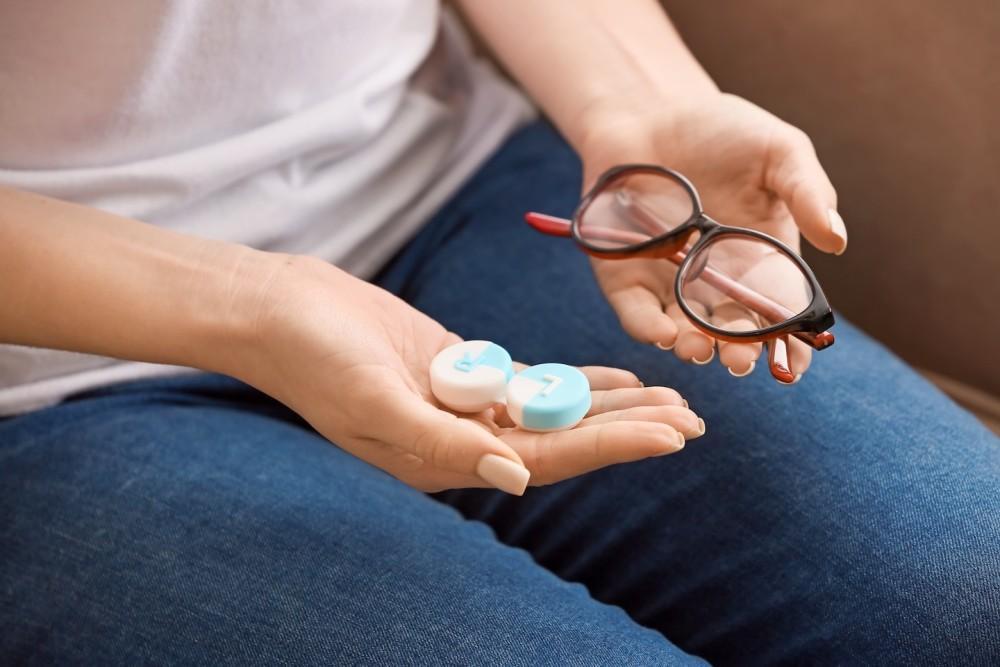
You’ve switched from glasses to contact lenses. You’re delighted to be free of glasses, which have been a constant in your life for a long time.
Contacts require more diligence than wearing glasses. You are putting an object on your corneas every day. How do you keep your contacts clean and your eyes safe from infection?
Our board-certified ophthalmologists and optometrist at Wolchok Eye Associates, PA, explain how to care for your contacts and keep your eyes healthy. The following are six tips to help you adjust to your new routine:
Wash your hands thoroughly with soap and warm water, and dry them with a clean, lint-free towel before touching your contacts or eyes. You don’t want the hassle and expense of an eye infection that prevents you from wearing new contacts.
Keratitis, a viral or bacterial corneal infection, can become serious and threaten your sight. Corneal ulcers, a complication of eye infections, can cause permanent scarring.
Decide which eye to put the contact into first, and stick to that pattern. You don’t want to put a contact in the wrong eye and have to start the process over.
You never know when you might need to remove one or both of your lenses. Bring contact lens solution and a carrying case with you — or your glasses — to ensure you can see clearly.
Check the expiration date of the contact lens solution and make sure it’s current. Never reuse solution.
Always take out your contacts before showering or bathing. Never swim with contacts in. Aside from the risk of infection, you can lose them and have to pay for new ones.
When you’re sick, switch back to glasses. Your illness can easily spread to your eyes. Remove your contacts and call our office if you have unusual eye symptoms such as redness, pain, eye discharge, or vision changes.
After a night out, you want to sink into bed. However, avoid that temptation. Always remove your contacts before sleeping to avoid infections and dry eyes.
Follow these common-sense guidelines to adjust to your new routine and keep your eyes safe and healthy. Call Wolchok Eye Associates, PA, today if you’re interested in transitioning to contact lenses.


